
Homeowners in Cartersville who rely on septic systems often wonder whether garbage disposals are safe for everyday use. According to Anytime Septic, a local septic service provider serving Bartow County and surrounding areas, the answer is yes—but only with careful use and proper maintenance.
Drawing on field experience and industry guidance, Anytime Septic is helping homeowners understand how garbage disposals can affect septic system performance and long-term health. While garbage disposals do not typically cause immediate damage, they can significantly increase the amount of solid waste entering a septic tank, placing added strain on the system over time.
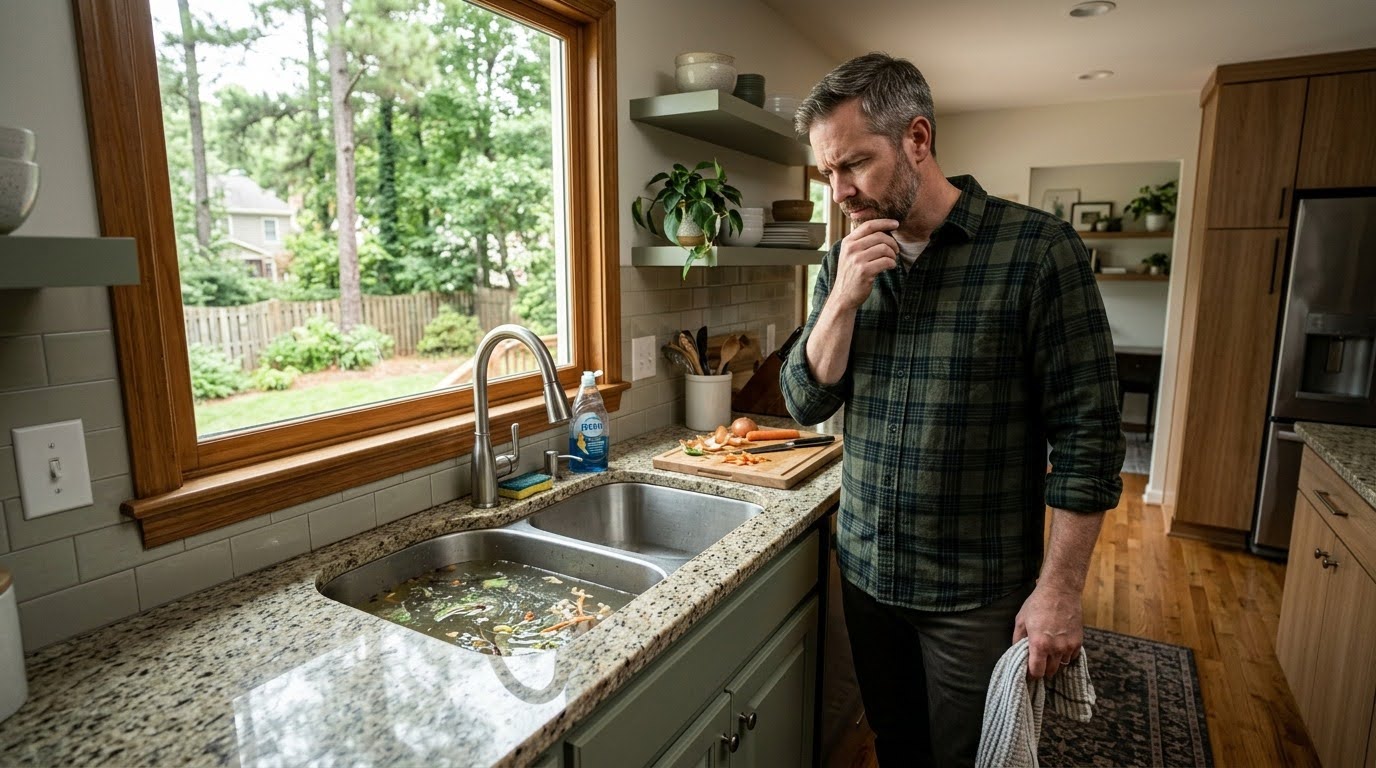
“A garbage disposal does not break your system right away, but it adds more material than the tank was designed to handle,” said Alex Laldin, marketing director for Anytime Septic. “Homeowners in Cartersville need to understand how small habits in the kitchen affect the entire septic process.”
Septic systems rely on naturally occurring bacteria inside the tank to break down waste and separate solids, grease, and wastewater. When food scraps are sent through a garbage disposal, the volume of solids rises, which can accelerate sludge buildup. University extension studies have shown that regular garbage disposal use may increase solid waste entering a septic tank by as much as 50%50%, increasing the risk of drain field problems and premature system failure.
That risk can be even greater in northwest Georgia, where heavy clay soil may slow drainage and make septic systems more sensitive to excess organic material. Once solids or food-related buildup reach the drain field, the soil may struggle to absorb and filter wastewater properly.
“Clay soil already limits how fast water can move,” Laldin said. “When food waste reaches the drain field, it creates buildup that the soil cannot absorb. That is when homeowners notice odors, wet spots, or slow drainage in the yard.”
Anytime Septic says it has observed these issues during service calls in Cartersville, Dallas, and Adairsville. In many cases, homeowners did not realize that routine garbage disposal use was contributing to septic stress. After changing disposal habits and following a regular pumping schedule, many systems showed improved performance.
The company advises homeowners to avoid putting grease, cooking oil, coffee grounds, eggshells, fibrous vegetables, bones, pasta, and rice into a garbage disposal connected to a septic system. These materials break down slowly, if at all, and can reduce the available space inside the tank for normal wastewater treatment.
“These materials stay in the tank much longer than people expect,” Laldin said. “They collect over time and reduce the space available for normal wastewater treatment.”
To reduce risk, Anytime Septic recommends treating garbage disposals as a secondary convenience rather than a primary food waste solution. Scraping food into the trash before washing dishes can help reduce solids entering the tank, and running cold water during disposal use may help move waste through household plumbing while limiting grease movement in liquid form.
The company also notes that maintenance schedules should be adjusted when a garbage disposal is used regularly. While many septic systems require pumping every three to five years, households with frequent disposal use may benefit from pumping every two to three years to help prevent excessive sludge accumulation.
“Regular pumping is the most effective step a homeowner can take,” Laldin said. “It removes excess solids before they cause damage. Skipping this step often leads to more expensive repairs later.”
Anytime Septic adds that even septic-rated garbage disposals and septic additives are not substitutes for smart habits and routine service. Although some disposal models grind waste into finer particles and some additives claim to boost bacterial activity, neither approach eliminates the need to limit food waste input and maintain the system properly.
Homeowners are encouraged to watch for early warning signs of septic stress, including slow drains, gurgling sounds after disposal use, sewage odors near the drain field, or wastewater backups inside the home. Prompt service can help prevent more serious and costly damage.
“Early signs are often ignored because they seem minor,” Laldin said. “A slow drain today can become a major repair tomorrow if the cause is not addressed.”
As Cartersville and surrounding communities continue to grow, many homes remain dependent on septic systems rather than municipal sewer connections. Anytime Septic says local knowledge of soil conditions, system behavior, and maintenance best practices remains essential for protecting both property value and environmental health.
“A garbage disposal can work with a septic system if the homeowner uses it carefully,” Laldin said. “The goal is to limit what goes into the tank and stay ahead of maintenance. That approach protects the system and the property.”
For homeowners across Bartow County and nearby areas, Anytime Septic continues to emphasize education, prevention, and practical service recommendations that help extend septic system life and reduce the risk of costly repairs.
Anytime Septic provides septic services for homeowners in Cartersville, Bartow County, and surrounding north Georgia communities. The company focuses on septic education, preventative maintenance, and responsive service to help property owners protect their systems and avoid unnecessary repairs.
###
For more information about Anytime Septic of Cartersville, contact the company here:
Anytime Septic of Cartersville
Toby Evans
(678) 679-8074
anytimesepticpr@gmail.com